Throughout human history, thunder gods have embodied the awe-inspiring power of natural phenomena, serving as divine figures representing justice, strength, and the unpredictable forces of nature. These deities are not confined to a single culture but appear universally across mythological traditions, illustrating humanity’s enduring fascination with storms and the sky’s might.
Table of Contents
- Introduction to Thunder Gods in Mythology
- Symbolism and Iconography of Thunder Gods
- Mythological Origins of Thunder Deities
- Modern Visual Representations of Thunder Gods
- Cultural and Psychological Impact of Thunder God Imagery
- Mythology and Technology in Visual Design
- Seasonal and Mythological Significance of August
- Mythology in Contemporary Branding and Design
- Conclusion: Bridging Mythology and Modern Visuals
1. Introduction to Thunder Gods in Mythology
a. Definition and cultural significance of thunder gods
Thunder gods are divine figures tasked with controlling or embodying the forces of storms, lightning, and thunder. Across cultures, they symbolize not only natural power but also societal authority, justice, and protection. Their presence in mythology often signifies the awe and fear humans associate with unpredictable weather phenomena, which ancient societies endeavored to understand and revere.
b. Common attributes and symbolism associated with thunder deities
Typically, thunder gods are depicted wielding thunderbolts, commanding storms, and often accompanied by symbols like eagles, clouds, or lightning. These attributes emphasize their dominion over the sky and highlight qualities such as authority, divine justice, and elemental mastery. For example, the thunderbolt signifies divine power and the destructive yet purifying aspect of storms.
c. The universal presence of thunder gods across different mythologies
From Greek Zeus to Norse Thor, Hindu Indra, and Slavic Perun, the concept of a thunder deity appears in diverse cultures. Despite differences in stories and iconography, these gods share core themes: control of natural phenomena, authority, and often a role as enforcers of cosmic order. This universality underscores the fundamental human need to personify and personify the forces that shape our environment.
2. Symbolism and Iconography of Thunder Gods
a. The eagle as a symbol in ancient art and its connection to Zeus
In Greek mythology, the eagle is a prominent symbol associated with Zeus. It represents sovereignty, vision, and divine authority. Ancient Greek art often depicts Zeus with an eagle perched on his arm or soaring above, reinforcing his status as king of gods and ruler of the skies. The eagle’s sharp sight and majestic flight symbolize divine omniscience and power.
b. Other common symbols: thunderbolts, storms, clouds
Across cultures, symbols like thunderbolts, storm clouds, and lightning serve as visual shorthand for divine power. The thunderbolt, in particular, is a recurring motif, used in ancient art from Mesopotamian to Asian traditions, often depicted as a weapon wielded by gods to demonstrate their control over the weather and natural chaos.
c. The evolution of these symbols over time and across cultures
While the core symbols remain consistent—lightning, eagles, storm imagery—their artistic representations have evolved. Medieval European art stylized thunderbolts into ornate symbols of divine authority, while modern visuals incorporate these icons into digital and pop culture imagery, maintaining their symbolic potency yet adapting to contemporary aesthetics.
3. The Mythological Origins of Thunder Deities
a. Origins of Zeus in Greek mythology and his role as the king of gods
Zeus, the chief deity of Greek pantheon, emerged from primordial chaos and was considered the ruler of Mount Olympus. His dominion over the sky and weather was central to his authority. Mythologically, Zeus’s control over thunder and lightning was a symbol of his supremacy and divine justice—wielding thunderbolts to punish hubris and uphold order.
b. Comparative analysis with other thunder gods: Thor (Norse), Indra (Hindu), Perun (Slavic)
| Deity | Cultural Context | Key Attributes |
|---|---|---|
| Zeus | Greek | Thunderbolt, eagle, king of gods |
| Thor | Norse | Mjölnir (hammer), storms, strength |
| Indra | Hindu | Thunderbolt (Vajra), rain, warrior role |
| Perun | Slavic | Axe or hammer, storms, justice |
c. The narrative functions of thunder gods in myth: justice, power, natural phenomena
In myth, thunder gods often serve as enforcers of divine justice, punishing the wicked and maintaining cosmic order. Their control over storms and lightning symbolizes the unpredictable, yet ultimately orderly, forces of nature. For instance, Zeus’s thunderbolts serve both as weapons and symbols of divine authority, reinforcing his role as protector and punisher.
4. Modern Visual Representations of Thunder Gods
a. Transition from myth to modern interpretations in art and media
In contemporary culture, the mythological imagery of thunder gods has been adapted into various media—films, video games, advertising, and digital art. This transformation maintains core symbols like lightning and eagles but often imbues them with new stylistic elements to appeal to modern audiences. For example, cinematic depictions of gods like Zeus often emphasize grandeur and divine power using advanced CGI, creating immersive visual experiences.
b. The influence of ancient symbolism on contemporary visuals and branding
Brands and entertainment products frequently borrow mythological symbols to evoke authority and power. Lightning bolts symbolize energy and innovation, while eagles convey sharp vision and dominance. These symbols resonate with audiences because they tap into deep-seated cultural archetypes rooted in ancient mythology.
c. Case study: Le Zeus as a modern visual homage and reinterpretation
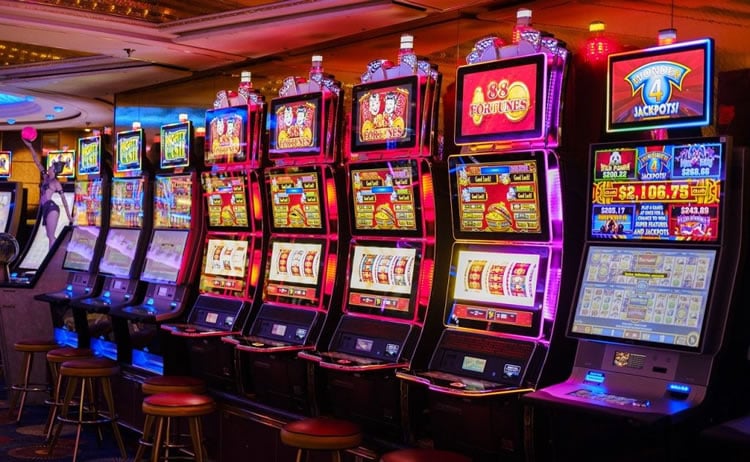
While «Le Zeus» is a specific example, it exemplifies how mythological principles inform modern design. Its visual mechanics draw heavily on symbolic elements like thunderbolts and eagles, creating a sense of mythic grandeur. Notably, the game employs mystery symbol mechanics, a technique originating from Japanese pachinko, which adds an element of unpredictability and engagement, echoing the chaotic power of thunderstorms.
For more insights into how modern visuals incorporate mythic symbolism, see myth-taken identity bonus explained.
5. Cultural and Psychological Impact of Thunder God Imagery in Modern Media
a. The enduring appeal of thunder god imagery in entertainment and branding
The visual power of thunder gods continues to captivate audiences, symbolizing strength, authority, and awe. Whether in films portraying divine beings or in branding campaigns emphasizing power and innovation, these symbols evoke emotional responses rooted in their mythic origins.
b. Psychological aspects: power, awe, and authority conveyed through thunder god visuals
Research indicates that symbols like lightning and eagles trigger subconscious associations with dominance and divine authority. These visuals evoke feelings of awe and inspire admiration, making them effective in marketing and entertainment for engaging audiences on a primal level.
c. The influence of these symbols on consumer perception and engagement
Brands harness mythological symbols to build trust and authority—products that feature lightning or eagle motifs often appear more dynamic and powerful. This strategic use of imagery taps into collective cultural memory, enhancing consumer engagement and loyalty.
6. The Intersection of Mythology and Technology in Visual Design
a. How ancient myths inspire modern digital art and game aesthetics
Digital art and game design often draw upon mythological themes to create immersive worlds. The grandeur of thunder gods influences character designs, environments, and storytelling, blending ancient symbolism with cutting-edge technology to evoke a sense of mythic scale.
b. Techniques used to evoke mythological grandeur in modern visuals
Techniques include dynamic lighting effects mimicking lightning, the use of grandiose architecture, and symbolic iconography like eagles or thunderbolts. These elements are enhanced with digital effects such as particle systems and 3D modeling, creating a visual language that resonates with mythic themes.
c. The significance of mystery symbol mechanics in engaging audiences, with examples from Japanese pachinko and modern slot machines
Mystery symbol mechanics, originating from Japanese pachinko, involve unpredictable symbol combinations that create suspense and engagement. These mechanics evoke the chaotic yet ordered power of thunderstorms, encouraging players to stay immersed and excited. This blending of mythic symbolism with innovative game mechanics exemplifies how ancient themes are adapted into modern entertainment forms.
7. The Significance of August and Seasonal Releases in Mythological and Modern Contexts
a. Traditional associations with August and mythological narratives
August often marks the peak of summer storms in many cultures, aligning with mythological narratives where thunderstorms symbolize divine intervention or transformation. In ancient times, festivals honoring storm gods were frequently held during this period to seek favorable weather or pay homage to celestial powers.
b. Modern marketing strategies: timing releases like Le Zeus for seasonal impact
Game developers and marketers strategically release titles or updates during August to harness the cultural associations with thunderstorms and divine power. These timing decisions amplify thematic resonance and consumer interest, leveraging seasonal symbolism for commercial success.
c. The connection between seasonal symbolism and the thematic elements of thunder gods
The seasonal alignment emphasizes the natural cycle of storms and divine wrath, reinforcing the mythological archetype of thunder gods as agents of change and power. This synchronization enhances the immersive experience for players and audiences alike.