Rewards have been an intrinsic part of human societies for millennia, serving as powerful motivators that influence behavior, reinforce social bonds, and symbolize achievement. Tracing their evolution offers insight into how human values and technological advances shape the ways we recognize and incentivize success. From simple tokens in ancient civilizations to complex digital systems in today’s gaming industry, the concept of rewards reflects our enduring desire for recognition and progress.
Table of Contents
- Early Forms of Rewards and Their Cultural Significance
- The Rise of Commercial and Consumer Rewards
- The Shift Toward Play and Entertainment-Based Rewards
- Modern Digital Rewards: Mechanics and Innovations
- The Science Behind Rewards: Motivation and Behavior
- Non-Obvious Perspectives on Rewards Evolution
- Connecting Historical and Modern Rewards: Lessons and Implications
- Conclusion: From Lollipops to Digital Achievements
Early Forms of Rewards and Their Cultural Significance
In ancient societies, tangible tokens such as shells, beads, or carved objects served as early forms of rewards. These items were not only valuable in their own right but also held symbolic meaning, often associated with status, protection, or spiritual significance. For instance, in early Mesopotamian cultures, small clay tokens represented commodities or achievements and were used in trade and record-keeping.
Rewards played a central role in rites of passage, education, and social hierarchy. In ancient Egypt, jewelry and amulets awarded to individuals signified their social rank or spiritual accomplishments. Similarly, Greek and Chinese civilizations used medals, seals, or decorative objects to honor achievements or mark important events. These tangible tokens fostered a sense of recognition that transcended mere material value, embedding cultural importance into the act of rewarding.
The Rise of Commercial and Consumer Rewards
As marketplaces expanded, the concept of rewards evolved into prize-based systems at fairs, markets, and competitions. The introduction of collectible items, such as trading cards, stamps, and toys, created societal phenomena driven by the desire to gather and showcase collections. These collectibles often carried social status or served as symbols of achievement, fostering community engagement.
In modern times, branded rewards and loyalty programs have become ubiquitous. Companies use point systems, discounts, and exclusive merchandise to incentivize customer loyalty. These strategies leverage the psychological appeal of rewards to foster ongoing engagement, much like ancient societies used tangible tokens to reinforce social bonds.
The Shift Toward Play and Entertainment-Based Rewards
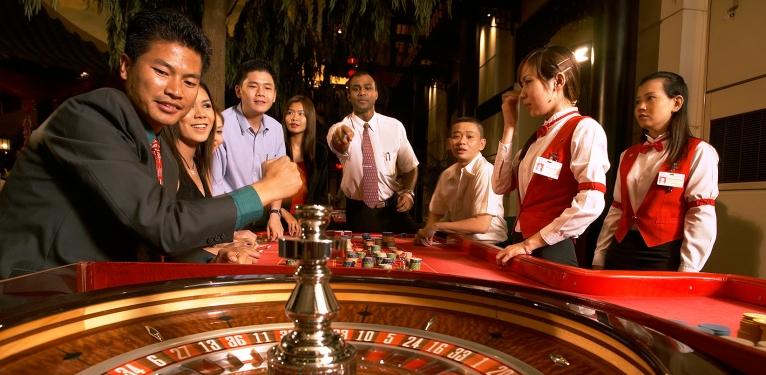
Rewards in traditional games and sports have long served as motivators for participants and spectators alike. Winning a trophy or medal provides recognition and status, reinforcing the value placed on achievement. In gambling and betting, prize systems became more structured, with tangible jackpots and awards driving participation.
The digital revolution transformed this landscape, transitioning from physical prizes to virtual rewards. Online gaming platforms now use points, badges, and virtual currencies to motivate players. These digital rewards are easily distributable, customizable, and integrated into gameplay, creating dynamic engagement that mirrors physical reward systems but with added flexibility.
Modern Digital Rewards: Mechanics and Innovations
Today’s gaming industry leverages sophisticated reward mechanics such as digital currencies, bonus features, and in-game achievements. These systems are designed not only to entertain but also to increase user retention and spending. A notable example is the info on the new sweet bonanza slot, which illustrates how modern mechanics innovate traditional reward concepts.
For instance, «Sweet Bonanza Super Scatter» employs a 6×5 grid layout offering 30 symbol positions, cascade mechanics simulating falling candies for continuous engagement, and free spins that can be retriggered by landing additional scatter symbols. These features exemplify how digital rewards are engineered to maximize excitement and prolong gameplay, relying on psychological principles that encourage repeated participation.
Case Study: «Sweet Bonanza Super Scatter» Mechanics
| Feature | Description |
|---|---|
| 6×5 Grid Layout | Provides 30 symbol positions for potential wins, increasing engagement through multiple chances. |
| Cascade Mechanics | Simulates candies falling, allowing for consecutive wins and sustained excitement. |
| Retriggered Free Spins | Landing additional scatters can retrigger free spins, encouraging continued play. |
The Science Behind Rewards: Motivation and Behavior
Operant conditioning, a psychological principle discovered by B.F. Skinner, explains how rewards shape behavior. When a behavior is followed by a positive stimulus, such as a prize or recognition, it is more likely to recur. Modern game design harnesses this principle by creating anticipation and rewarding players at optimal moments, reinforcing continued engagement.
However, this powerful mechanism raises ethical considerations. While rewards motivate positive behaviors, excessive or manipulative reward systems can lead to addiction, especially in gambling contexts. Responsible design involves balancing enticing rewards with safeguards to prevent harm.
Non-Obvious Perspectives on Rewards Evolution
Technological advances, especially in digital platforms, have diversified reward types beyond physical items. Virtual currencies, NFTs, and personalized incentives are transforming expectations. Cultural shifts also influence what societies deem desirable—what was once a simple token may now be a digital badge or exclusive access.
Looking ahead, innovations like virtual reality and blockchain-based assets promise unprecedented reward experiences. These developments could redefine recognition, making it more immersive and tailored to individual preferences, thus continuing the timeless human pursuit of achievement and acknowledgment.
Connecting Historical and Modern Rewards: Lessons and Implications
Despite technological evolution, the core human desire for recognition remains unchanged. Understanding how ancient societies used tangible tokens to symbolize achievement informs modern reward design. Contemporary digital systems, like those in popular slot games, build upon these principles—offering instant gratification, ongoing engagement, and social recognition.
«Effective reward systems balance appeal with responsibility, ensuring motivation promotes positive behaviors.»
Designers who grasp this historical continuity can craft more engaging and ethical reward mechanisms, fostering both enjoyment and social trust.
Conclusion: From Lollipops to Digital Achievements
The journey of reward systems demonstrates a deep-rooted human inclination toward recognition and achievement. From the shells and beads of ancient civilizations to sophisticated digital mechanics like those in modern slot games, the fundamental desire for acknowledgment persists. Technologies continue to innovate, but the essence remains—rewards motivate, engage, and symbolize success in society.
By understanding this evolutionary path, creators and policymakers can develop reward systems that are both compelling and responsible, ensuring they serve as positive drivers of motivation and social cohesion in the future.
As we look ahead, emerging trends such as virtual reality and NFTs suggest that rewards will become even more personalized and immersive, reflecting our ongoing quest for recognition in an increasingly digital world.