The evolution of gambling tracing the roots through history
Early Beginnings of Gambling
The origins of gambling can be traced back to ancient civilizations, where various forms of wagering were integral to cultural and social practices. Archaeological findings suggest that the earliest known dice, made from animal bones, date back to around 3000 BC in Mesopotamia. These primitive forms of gambling laid the foundation for more sophisticated games and betting systems that would emerge in later centuries. Today, you might even experience some modern excitement at an ice fishing casino, reflecting how far we’ve come.
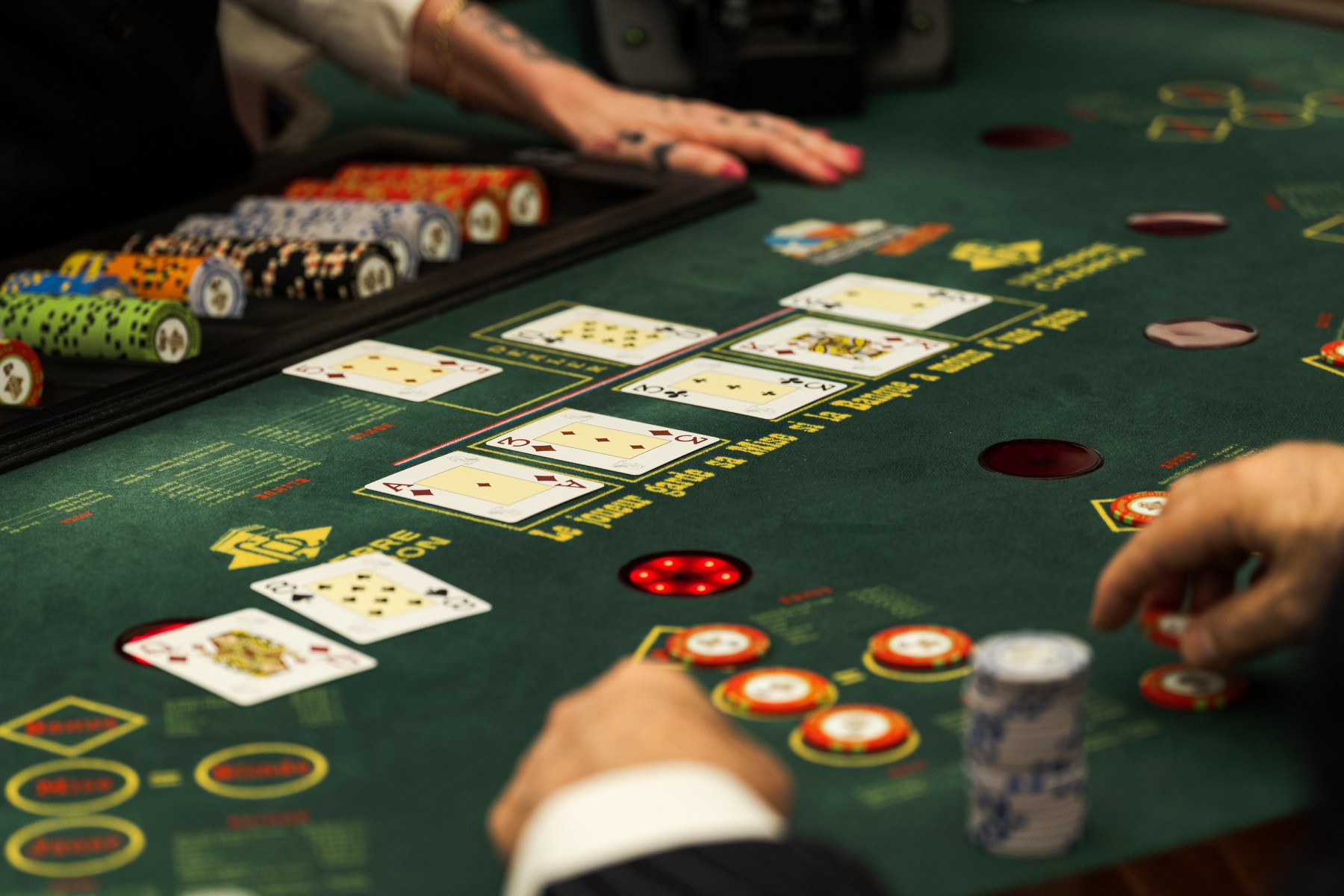
In ancient China, around 2000 BC, rudimentary betting games began to surface, often associated with fortune-telling and spiritual beliefs. This intertwining of gambling and culture established a precedent for gambling’s evolution as a form of entertainment and social interaction, revealing its importance beyond mere economic gain.
Gambling in the Classical World
The classical civilizations of Greece and Rome further advanced the evolution of gambling. In Greece, gaming was often linked to mythology, with dice games played during festivals and social gatherings. The Romans, on the other hand, embraced gambling on a grand scale, incorporating it into their entertainment through chariot races and gladiatorial contests. The establishment of betting as a formal practice reflected society’s growing appetite for chance and risk.
This era saw the introduction of various games of chance, including rudimentary forms of poker and other card games. The cultural significance of these activities became deeply rooted in both Greek and Roman societies, paving the way for the legal and social frameworks surrounding gambling that would follow in the Middle Ages.
Medieval to Renaissance Transition
The Middle Ages brought about significant changes in gambling, with both restrictions and expansions occurring simultaneously. While the Church condemned gambling as sinful, clandestine games persisted, leading to the rise of betting houses and underground gambling venues. This tension between authority and the desire for leisure created a unique environment for gambling to thrive.
As the Renaissance unfolded, the rebirth of arts and sciences also influenced gambling. Card games gained popularity in Europe, with the introduction of playing cards from Asia. This transformation not only contributed to the diversification of gambling forms but also reflected the shifting attitudes toward leisure and risk-taking, which became increasingly accepted during this period.
The Birth of Modern Gambling
The 17th and 18th centuries marked a significant turning point in gambling, as governments began to regulate and tax gaming activities. The establishment of state-run lotteries and the emergence of casinos, particularly in places like Venice and later Monte Carlo, transformed gambling into a formalized industry. This period also saw the creation of gambling laws that sought to control and legitimize the practice.
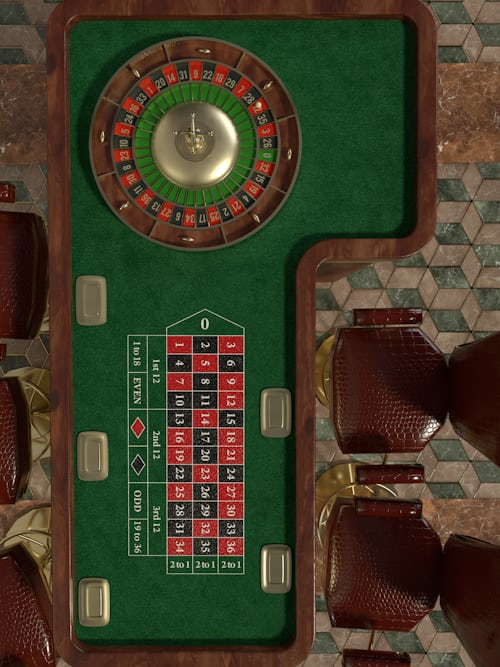
Moreover, technological advancements, including the invention of the roulette wheel, created new avenues for gambling and expanded the player base. With the rise of casinos, gambling evolved from informal practices into a structured, entertainment-focused industry that appealed to the masses and paved the way for modern gambling as we know it today.
Modern Gambling and Digital Evolution
Today, the landscape of gambling has dramatically changed, primarily due to technological advancements and the rise of the internet. Online gambling platforms have revolutionized the way players engage with games, offering convenience and accessibility like never before. This shift has made gambling more prevalent and has attracted a broader audience, including those who may have been hesitant to visit physical casinos.
Modern gambling also emphasizes regulatory measures and responsible gaming initiatives, reflecting a more mature approach to this age-old pastime. As platforms innovate to enhance user experiences with live dealers and immersive gaming environments, the evolution of gambling continues, bridging historical practices with modern technology to create engaging and dynamic experiences for players worldwide.